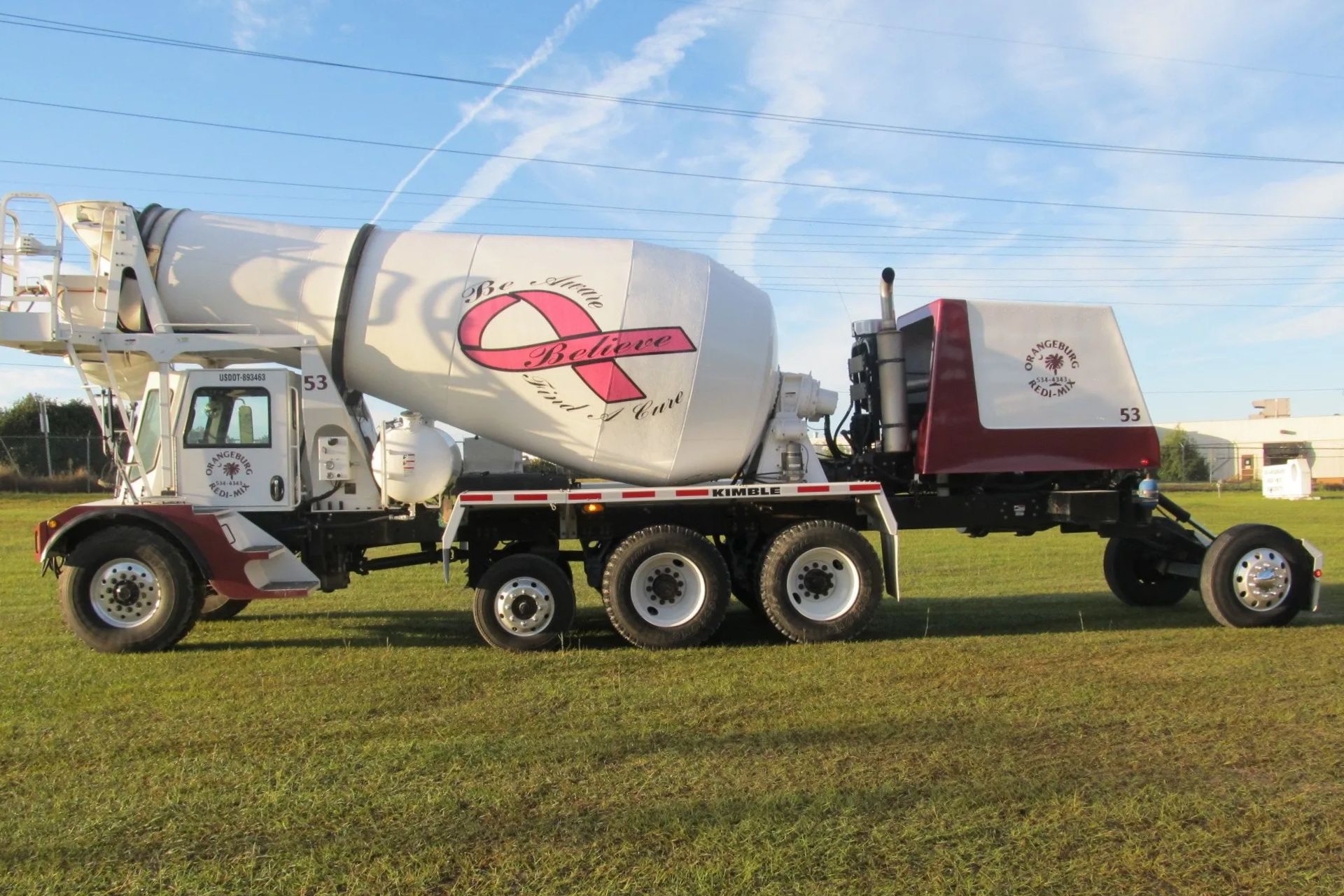
One of the most common questions in the construction industry is, “When does a concrete mixer truck need maintenance?” These powerful machines work under extreme conditions, constantly mixing heavy concrete materials and driving over rough terrain. To ensure performance and reliability, proper maintenance must be done at the right time. Neglecting regular servicing can lead to mechanical breakdowns, safety risks, and costly downtime.
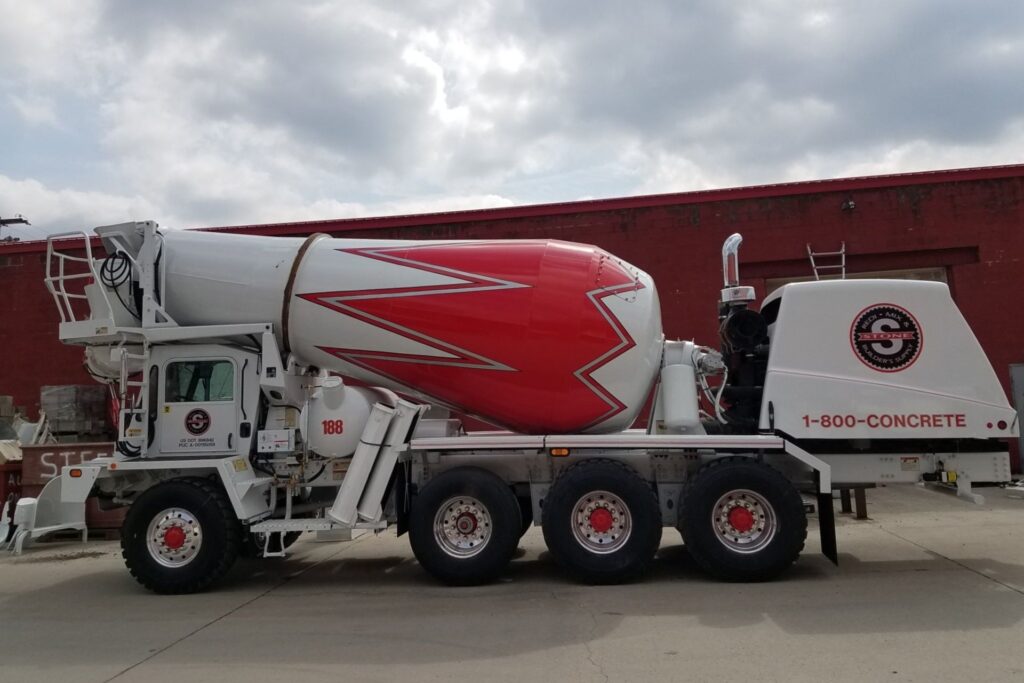
Why Maintenance Is Vital for Concrete Mixer Trucks
Before understanding when a concrete mixer truck needs maintenance, it’s essential to know why it matters. Mixer trucks experience heavy wear and tear from continuous rotation, exposure to moisture, and concrete residue buildup. Without proper maintenance:
- The drum may corrode or lose efficiency.
- Hydraulic systems can fail.
- Fuel consumption may increase due to mechanical strain.
- The risk of accidents rises.
Regular maintenance ensures smooth operation, optimal concrete quality, and extended vehicle lifespan.
When Does a Concrete Mixer Truck Need Maintenance?
The ideal maintenance schedule depends on the truck’s workload, environment, and usage frequency. However, experts generally recommend the following:
- Daily Maintenance:
- Inspect drum cleanliness after each trip.
- Check hydraulic fluid levels.
- Ensure no concrete buildup around moving parts.
- Verify tire pressure and brake systems.
- Weekly Maintenance:
- Lubricate rotating parts and drum rollers.
- Inspect the chute and water system for leaks or blockages.
- Examine all electrical connections and sensors.
- Monthly Maintenance:
- Perform a full engine inspection.
- Test the hydraulic pump and control system.
- Check for cracks, rust, or structural damage in the drum.
- Annual Maintenance:
- Replace filters, fluids, and worn-out seals.
- Conduct a full diagnostic check on the transmission and axles.
- Repaint or protect metal parts to prevent corrosion.
By following these timelines, you can prevent costly repairs and extend the truck’s operational life.
Signs That a Concrete Mixer Truck Needs Immediate Maintenance
Even with a maintenance schedule, certain warning signs require immediate attention. Here’s how to know when a concrete mixer truck needs maintenance urgently:
- Unusual Noises: Grinding or screeching sounds from the drum or engine.
- Hydraulic Issues: Slow or unresponsive drum rotation.
- Concrete Leakage: Visible leaks from drum joints or chutes.
- Engine Overheating: High temperatures after short trips.
- Poor Mixing Quality: Uneven or clumpy concrete discharge.
If any of these issues occur, servicing should be scheduled right away to avoid more serious damage.
Key Components That Require Regular Inspection
To maintain performance, several critical parts of a concrete mixer truck must be checked frequently:
- Mixing Drum: The heart of the truck — must be kept clean and free of hardened concrete.
- Hydraulic System: Powers the drum rotation and must be free of air bubbles or fluid leaks.
- Engine and Transmission: Provide the necessary torque and stability for heavy loads.
- Chutes and Water System: Essential for precise pouring and washing.
- Electrical Controls: Operate drum direction, water pumps, and safety systems.
Each component plays a crucial role, and even a minor failure can cause downtime or inconsistent concrete quality.
Preventive vs. Reactive Maintenance
There are two approaches to maintaining a mixer truck:
- Preventive Maintenance: Performed regularly to prevent breakdowns. This includes oil changes, inspections, and cleaning.
- Reactive Maintenance: Conducted after a failure or issue occurs, such as fixing a hydraulic leak or replacing broken gears.
Preventive maintenance is always more cost-effective and safer. Companies that invest in regular servicing experience fewer delays and lower repair costs in the long run.
The Role of Cleaning in Mixer Truck Maintenance
Concrete hardens quickly, making cleaning one of the most important maintenance tasks. After each delivery, operators should:
- Rinse the drum with water immediately.
- Rotate the drum while washing to remove residue.
- Use mild cleaning agents for stubborn buildup.
- Inspect for cracks or rust after cleaning.
Consistent cleaning not only keeps the drum efficient but also prevents weight imbalance and contamination of future concrete loads.
Common Maintenance Mistakes to Avoid
Many truck operators make errors that shorten the lifespan of their mixer trucks. Avoid these common mistakes:
- Skipping daily cleaning routines.
- Using incorrect hydraulic fluid or lubricants.
- Overloading the drum beyond its capacity.
- Ignoring early warning signs like vibrations or leaks.
- Delaying scheduled maintenance checks.
Following proper maintenance protocols can prevent unexpected failures and ensure safer operation on the road.
Professional Maintenance Services vs. In-House Checks
Depending on the company size, maintenance can be handled in two ways:
- In-House Maintenance: Conducted by company staff for daily or weekly tasks like lubrication, inspections, and cleaning.
- Professional Maintenance: Done by certified technicians for advanced diagnostics, part replacement, and calibration.
Combining both ensures your concrete mixer truck remains in top condition year-round.
Conclusion
In summary, when does a concrete mixer truck need maintenance? The answer lies in consistent, scheduled care—daily cleaning, weekly inspections, monthly checks, and yearly servicing. Regular maintenance prevents mechanical failures, improves safety, and ensures every batch of concrete meets quality standards.
By treating maintenance as a vital part of operation rather than an afterthought, companies can extend their truck’s lifespan and keep projects running smoothly without costly interruptions.