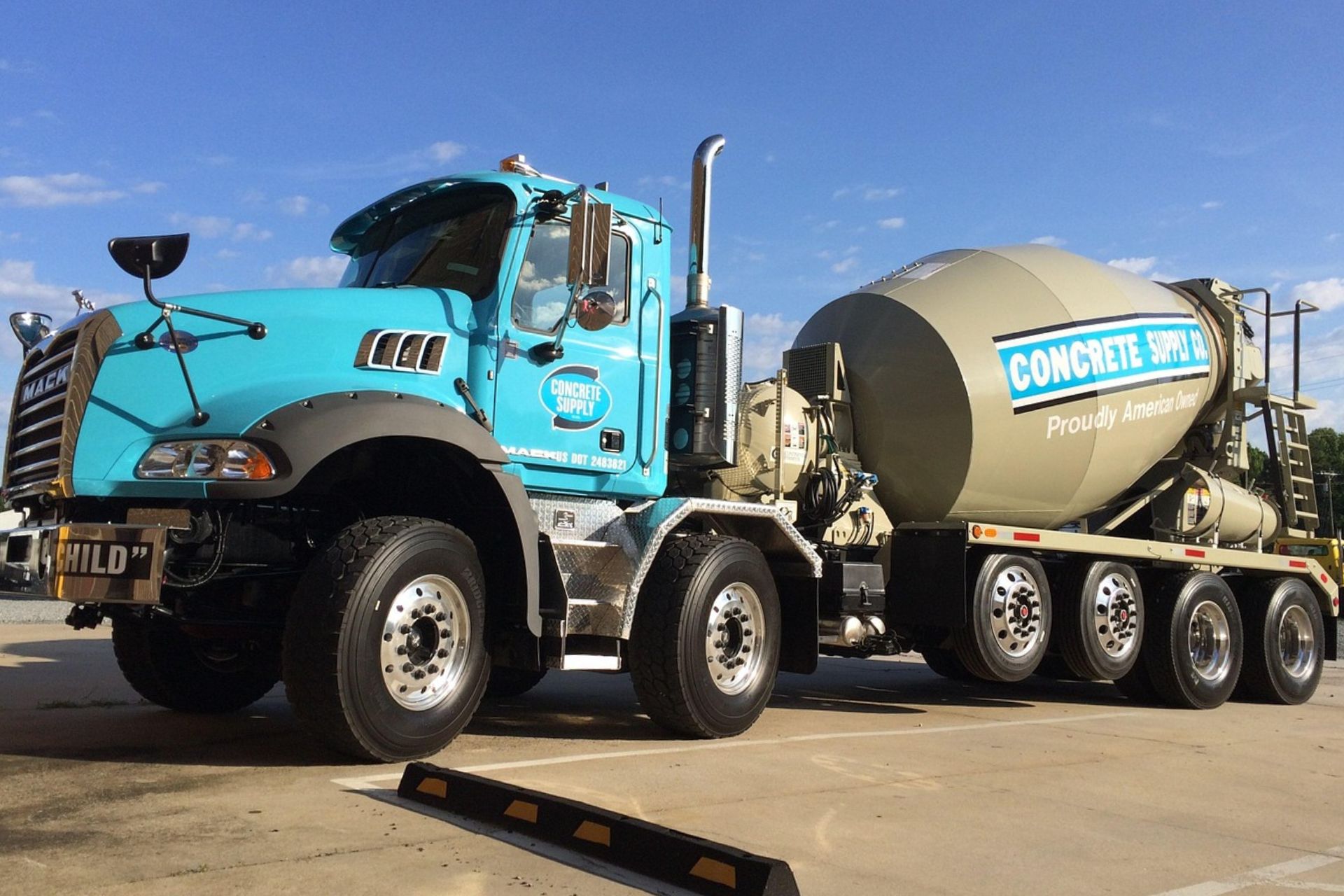
When people see large trucks turning slowly on the road, many wonder, “How does a concrete mixer truck work?” These specialized vehicles are designed to transport and mix concrete on the move, ensuring that the material remains in perfect condition until it reaches the construction site. Understanding the mechanism behind these trucks reveals the engineering precision that allows concrete to stay workable and consistent.
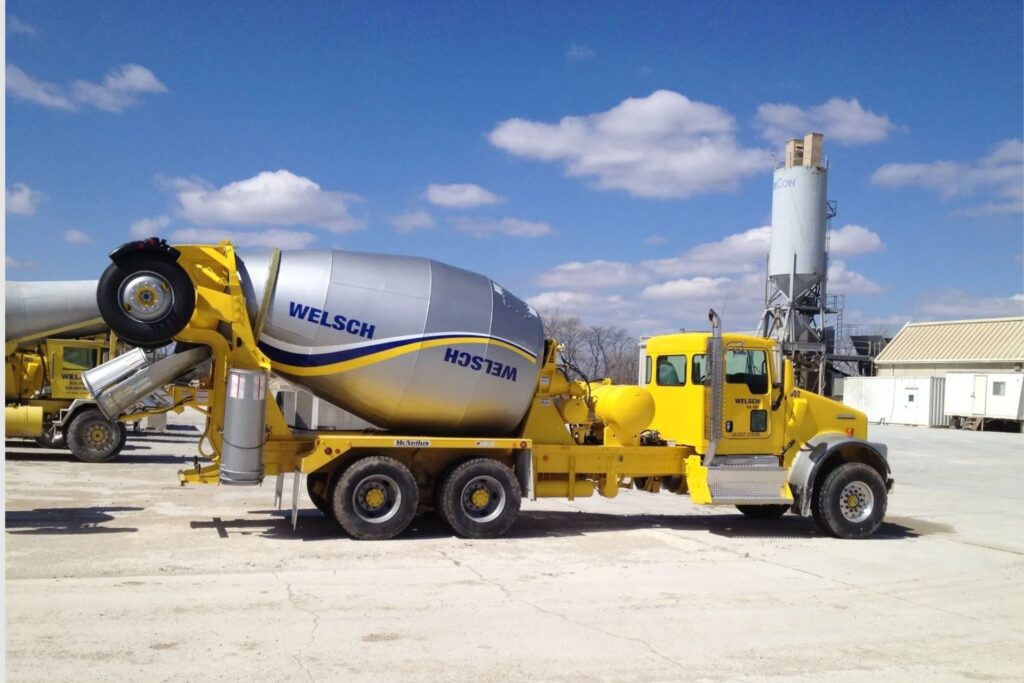
The Purpose of a Concrete Mixer Truck
The main purpose of a concrete mixer truck is to deliver ready-mix concrete from a batching plant to a construction site without it hardening. Concrete begins to set within a short period after mixing, so the truck’s design focuses on maintaining its fluidity and uniformity. By constantly rotating its drum, the truck prevents the concrete from separating or solidifying before use.
How Does a Concrete Mixer Truck Work?
A concrete mixer truck works using a rotating drum mounted on the back of the vehicle. Inside this drum are spiral blades or fins that help mix and move the concrete. The drum rotates in two directions:
- Clockwise rotation (mixing mode): Keeps the concrete agitated and mixed.
- Counterclockwise rotation (discharge mode): Pushes the concrete out of the drum during unloading.
The drum is powered by a hydraulic motor connected to the truck’s engine, allowing precise control over the mixing speed and direction.
The Key Components of a Concrete Mixer Truck
To understand how a concrete mixer truck works, it’s helpful to look at its main parts:
- Mixing Drum: The large, rotating cylinder that holds and mixes the concrete.
- Hydraulic System: Powers the drum’s rotation using energy from the truck’s engine.
- Water Supply System: Provides water for mixing and cleaning.
- Chutes: Used to direct the flow of concrete when unloading.
- Control System: Allows the driver to adjust drum speed, rotation direction, and discharge flow.
Each component plays a crucial role in ensuring the concrete remains in good condition during transportation.
The Mixing Process Inside the Drum
Inside the drum, spiral blades help lift and fold the concrete mixture continuously. The process involves:
- Loading: Dry materials and water are loaded into the drum.
- Mixing: The blades spin, blending cement, sand, gravel, and water evenly.
- Transporting: The drum keeps rotating slowly to prevent separation.
- Discharging: The rotation reverses direction to push the concrete toward the chute.
This ongoing rotation is the key reason why concrete mixer trucks are always turning on the road — it keeps the concrete ready to pour at any time.
Types of Concrete Mixer Trucks
Concrete mixer trucks come in several types, depending on their mixing and transportation methods:
- Standard Transit Mixers: Mix concrete during transit and deliver it fresh.
- Volumetric Mixers: Carry separate ingredients and mix them on-site for maximum freshness.
- Front Discharge Mixers: Allow the driver to control the discharge chute from the cab.
- Twin Shaft Mixers: Used for larger projects where uniformity and speed are essential.
Each type is designed for specific construction needs, balancing efficiency and concrete quality.
Efficiency and Maintenance of Concrete Mixer Trucks
For a concrete mixer truck to work effectively, regular maintenance is essential. Hydraulic systems, bearings, and the mixing drum must be inspected frequently to prevent breakdowns. Cleaning the drum after every trip is also vital, as hardened concrete residue can affect mixing performance.
Operators must also follow correct loading ratios — typically around 60–70% of drum capacity — to ensure the mixture rotates properly without spilling.
Environmental Considerations in Concrete Mixing
Modern concrete mixer trucks are becoming more environmentally friendly. Manufacturers are introducing electric or hybrid mixer trucks that reduce fuel consumption and emissions. Additionally, advanced water recycling systems help minimize waste from washing out drums after delivery.
These innovations not only improve efficiency but also support sustainable construction practices.
Safety Tips When Operating a Concrete Mixer Truck
Operating a concrete mixer truck requires caution. Here are some safety measures:
- Always park on level ground before loading or unloading.
- Ensure the drum rotation is stable before driving.
- Avoid overloading to prevent tipping accidents.
- Regularly check hydraulic and brake systems.
Following these safety steps ensures both operator protection and consistent concrete quality.
Conclusion
In summary, how does a concrete mixer truck work? It relies on a constantly rotating drum powered by hydraulics to keep concrete properly mixed during transit. Every part of the truck—from the drum and chutes to the control system—plays a vital role in delivering fresh, ready-to-use concrete to construction sites.
Understanding this process not only highlights the efficiency of modern construction technology but also explains why these massive vehicles are a familiar and essential sight on roads around the world.